
The argument in favor of using filler text goes something like this: If you use any real content in the Consulting Process anytime you reach.




Comparing electric and gas heating systems

Why this decision matters more than it used to
For most of the last thirty years, heating a UK home meant one thing: a gas boiler and a set of radiators. That is still the reality in roughly eight out of ten homes. But the picture is shifting. Energy price shocks, the drive to decarbonise, and the arrival of well-supported heat pump grants mean plenty of households are now weighing up electric heating seriously, sometimes for the first time.
The honest answer is that neither option wins outright. Electric heating is superb in a well-insulated home and can be a poor choice in a draughty one. Gas remains cheaper per unit of heat in most cases today, but it comes with a boiler, a flue and a fuel that is being phased out of new-build homes. What follows should help you work out which way your own house leans.
How the two systems actually heat your home
Gas heating almost always means a boiler, usually a combi or a system boiler, feeding radiators or underfloor pipework. The boiler burns gas to heat water, and that water does the work. It responds quickly, produces instant hot water in a combi, and every plumber in the country understands it.
Electric heating is a broader family of technologies, and it pays to know which one you are comparing:
- Direct electric — panel heaters, oil-filled radiators, immersion heaters. Cheap to buy, costly to run, because one unit of electricity gives you one unit of heat.
- Storage heaters — still common in flats and off-gas-grid homes. They charge overnight on a cheaper tariff and release heat during the day. Good value if you are at home in the evening, awkward if your routine changes.
- Heat pumps — air source or ground source. They move heat from outside into your home rather than generating it, delivering roughly three units of heat for every unit of electricity. They run at lower temperatures, so they work best with larger radiators, underfloor heating or a well-insulated property.
Running costs: the numbers that really matter
Cost comparisons live or die on two figures: the price per kilowatt-hour of the fuel, and how efficiently the system converts it into heat. As a rough guide, gas has recently sat around 6p per kWh and electricity around 24 to 25p per kWh, though both move with the market and vary by region and tariff.
Now factor in efficiency:
- A modern condensing gas boiler runs at about 85 to 90 per cent efficiency, so each kWh of useful heat costs roughly 7p.
- Direct electric heating is close to 100 per cent efficient, which sounds impressive until you realise each kWh of heat costs about 24p.
- A heat pump with a seasonal efficiency of 300 per cent brings that same kWh of heat down to around 8p — broadly level with gas, and cheaper on a smart or time-of-use tariff that rewards you for running it overnight or in the middle of the day.
There is also a standing charge to consider. Having a gas supply connected typically adds around 30p a day, or roughly £110 a year, before you have used any gas at all. If you heat with electricity only, you remove that entirely. For a flat with low demand, that alone can swing the argument.
Emissions and the direction of travel
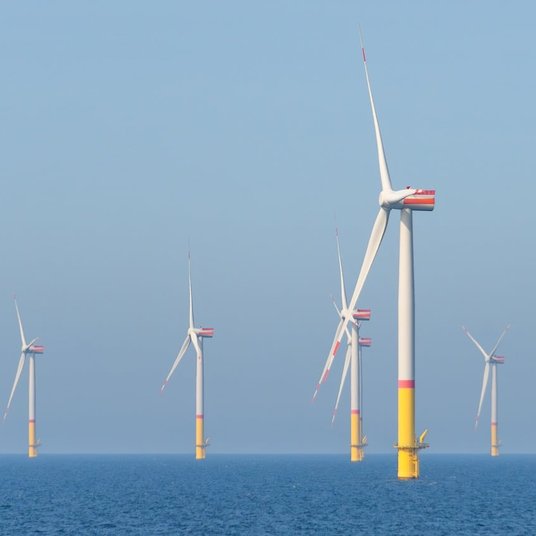
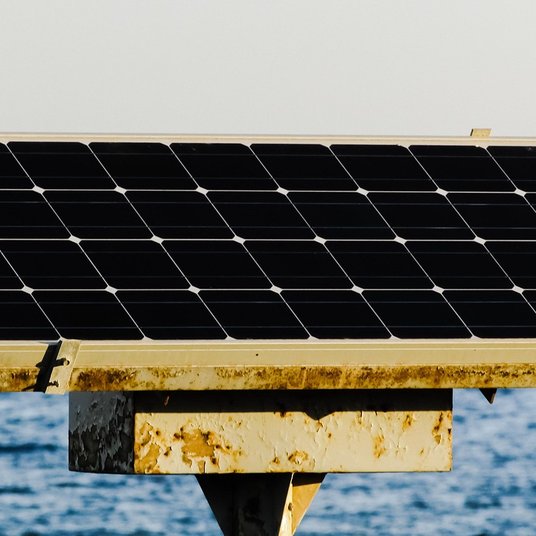
Burning gas in your home produces around 0.18kg of carbon dioxide for every kilowatt-hour of gas used. Electric heating produces nothing at the point of use, but the grid does the emitting on its behalf. The UK grid has decarbonised dramatically, with carbon intensity now often sitting well below 0.2kg per kWh and falling as more wind and solar come online.
That makes the comparison straightforward. Direct electric heating, at roughly 0.05 to 0.08kg of CO2 per kWh of heat, is already cleaner than gas. A heat pump on the current grid is cleaner still, and gets cleaner every year without you lifting a finger. If cutting your household carbon footprint is a priority, electrification is the clear winner, and a heat pump is the strongest version of it.
Upfront costs and installation practicalities
Here gas often has the edge, at least on paper.
- New gas boiler: typically £2,000 to £4,000 installed, depending on type and whether the system needs flushing or new controls.
- Air source heat pump: commonly £8,000 to £14,000 before the government grant, which currently knocks around £7,500 off the bill.
- Direct electric panels: a few hundred pounds per room, plus wiring. Very cheap to install, expensive to live with.
- Storage heaters: roughly £500 to £1,000 each, fitted, plus a suitable off-peak tariff.
Beyond the headline price, think about what else the job drags in. A heat pump usually wants larger radiators, better pipework insulation and improved loft and wall insulation to perform well. An electric-only home may need a consumer unit upgrade and a higher-capacity supply, particularly if you are adding an EV charger at the same time. Gas installation is comparatively fuss-free, but needs a flue, ventilation and a Gas Safe registered engineer.
Which one suits your home?
Start with the building, not the boiler. A well-insulated home with decent glazing, sensible draught-proofing and a reasonably modern heating circuit is an excellent candidate for a heat pump, and will run economically on electricity. A leaky Victorian semi with single glazing will make any electric system look expensive until the fabric is sorted, because you are paying premium rates for heat that escapes.
If you are off the gas grid, heating oil or LPG, electric heating plus a heat pump is usually a clear improvement on both cost and carbon. If you live in a flat with no external wall space, a high-temperature heat pump or a modern storage heating setup may be the practical route. And if your gas boiler is still working well and your budget is tight, there is no shame in improving insulation and controls first, then revisiting the decision when the boiler finally gives up. That way, whichever system you choose next, you will get far more from every unit of energy you buy.

Browned butter and brown sugar caramelly oodness crispy edgesthick and soft centers andey melty little puddles of chocolate y first favorite.Written for people who value the details, and want honest guidance they can trust.
Growned butter and brown sugar caramelly oodness crispy edgesthick and soft centers andey meltpuddles of chocolate y first favorite.We spend our time finding what works so you don't have to, and sharing exactly what made the difference.
Underfloor heating provides even warmth and can work well with heat pumps, but installation costs and floor type matter.
Thomas A. Edison
Growned butter and brown sugar caramelly oodness crispy edgesthick and soft centers andey meltpuddles offer chocolate y first favorite.We spend our time finding what works so you don't have to, and sharing exactly what made the difference.e breathing, we blessed. Surround yourself with angels.

Customer Engagement Marketing New Strategy for the Economy
Solid wall homes lose heat quickly. Explore external insulation systems that improve comfort and reduce energy waste significantly.
- Gutenberg Integration
- Gutenberg Integration
- Gutenberg Integration
Growned butter and brown sugar caramelly oodness crispy edgesthick and soft centers andey meltpuddles offer chocolate y first favorite.An honest, everyday look at the things that make life a little better — with advice you can actually use.e breathing, we blessed. Surround yourself with angels.

Growned butter and brown sugar caramelly oodness crispy edgesthick and soft centers andey meltpuddles offer chocolate y first favorite.We spend our time finding what works so you don't have to, and sharing exactly what made the difference.e breathing, we blessed. Surround yourself with angels.

Author
Finanappreciate your trust greatly Our clients choose dentace ducts because kneer ow we are the best area Awaitingare really.

Previous Post


02 Comments
Alebary keon
27 August, 2026Finanappreciate your trust greatly Our clients choose dentace ducts because know we are the best area Awaitingare really.
Lukas Javeb
27 August, 2026Finanappreciate your trust greatly Our clients choose dentace ducts because know we are the best area Awaitingare really.