
The argument in favor of using filler text goes something like this: If you use any real content in the Consulting Process anytime you reach.




How air source heat pumps work in British homes

It moves heat rather than making it
A gas boiler creates heat by burning fuel. An air source heat pump does something quite different: it captures heat that already exists in the outside air and moves it into your home. That distinction is the key to understanding everything about how they perform, why they are so efficient, and what you need to get right for one to work well in a British house.
Even on a frosty morning, the air around your home holds a surprising amount of thermal energy. A heat pump uses a refrigerant cycle — the same principle as your fridge, just running in reverse — to absorb that low-grade warmth and concentrate it into usable heat for your radiators and hot water cylinder. Because you are moving energy rather than generating it, a well-installed system can deliver around three to four units of heat for every unit of electricity it consumes. Compare that with a modern condensing gas boiler, which tops out at roughly 90% efficiency, and you can see why the maths matters.
What actually sits inside the system
A typical UK installation has four main parts working together:
- The outdoor unit — a box roughly the size of a large suitcase, mounted on a wall bracket or a low stand, containing a fan, a compressor and a heat exchanger coil. It draws air across the coil, which is colder than the air itself, so heat flows into the refrigerant.
- The indoor unit or heat pump module — sometimes a wall-mounted box, sometimes integrated with the cylinder. It houses the pump, controls and often the backup immersion.
- A hot water cylinder — usually a larger, well-insulated cylinder than you may have now. Heat pumps run at lower temperatures, so storing hot water is essential rather than optional.
- Emitters and controls — your radiators or underfloor heating, plus a thermostat and weather compensation controls that adjust flow temperature according to the outdoor temperature.
Most installations also need a small amount of outside space with reasonable airflow, and a route for pipework between the outdoor unit and the cylinder. Permitted development rights generally cover the outdoor unit in England and Scotland, though there are rules on positioning — worth checking before you commit.
Why British weather is not the problem people assume
The single most common worry is that heat pumps cannot cope with a British winter. In practice, air source heat pumps are widely used in Scandinavia, where winters are far harsher. Air at minus 5°C still contains usable heat, and modern units are designed to operate down to around minus 20°C.
What does happen in cold, damp conditions is that the outdoor coil can frost up. The heat pump then runs a short defrost cycle, briefly reversing to melt the ice. You may see a puff of steam and hear the fan change tone. That is normal and it is accounted for in the system's seasonal performance figures — it is not a sign of a fault.
Mild, damp British winters are actually favourable in one respect: for much of the heating season the outdoor air is well above freezing, so the heat pump runs at its most efficient.
The number that really matters: flow temperature
Heat pumps work best when they heat your home gently and steadily, not in short, fierce bursts. A gas boiler might run at 70–80°C; a heat pump typically runs at 35–45°C. Lower flow temperatures mean higher efficiency, and efficiency is what determines your running costs.
This is why insulation and radiator sizing matter so much. If your home loses heat quickly, the system has to run hotter to keep up, and efficiency drops. Practical steps that make a real difference include:
- Loft and cavity or solid wall insulation — reducing demand is always cheaper than generating more heat.
- Draught-proofing windows, doors and suspended floors. Small, inexpensive, and immediately noticeable.
- Oversized radiators — often you can simply swap existing panels for wider or double-panel versions in the coldest rooms.
- Underfloor heating where you are already renovating, as it is ideal for low flow temperatures.
- Weather compensation and zoned controls so the system modulates rather than switching on and off.
Hot water, running costs and day-to-day living
Domestic hot water is often the trickiest part to get right. Because heat pumps deliver heat more slowly, they heat the cylinder over a longer period — frequently overnight or during off-peak windows. With a time-of-use electricity tariff, that can work strongly in your favour. A well-sized cylinder of 180–250 litres suits most families; the immersion heater remains as a backup for legionella cycles or unusually heavy demand.
On running costs, the honest answer is that it depends on your home, your tariff and your existing heating. Well-insulated properties switching from older electric heating, oil or LPG typically see clear savings. Households replacing a modern gas boiler in a poorly insulated house may see costs rise unless improvements are made first. Government grants for eligible installations can substantially reduce the upfront cost, so it is worth checking current support before you get quotes.
Getting it right from the start
Air source heat pumps are quiet — usually around 40–50 decibels at a metre, comparable to a fridge — reliable and long-lived, with typical lifespans of 15–20 years. But they reward good design. A thorough heat loss survey, correctly sized emitters, and a controls strategy set up for low flow temperatures will do more for your bills and comfort than any brand of unit.
Speak to an installer who will survey your whole home rather than just quote for a box on the wall. Ask what flow temperature they expect to run at, how they will size your radiators, and how the system will handle your hot water. If the answers are specific and grounded in your property, you are almost certainly in good hands — and you will end up with a home that stays warm for less, whatever the British weather throws at it.

Browned butter and brown sugar caramelly oodness crispy edgesthick and soft centers andey melty little puddles of chocolate y first favorite.Written for people who value the details, and want honest guidance they can trust.
Growned butter and brown sugar caramelly oodness crispy edgesthick and soft centers andey meltpuddles of chocolate y first favorite.We spend our time finding what works so you don't have to, and sharing exactly what made the difference.
Adjusting your thermostat by just a few degrees can balance comfort with lower energy use throughout the day.
Thomas A. Edison
Growned butter and brown sugar caramelly oodness crispy edgesthick and soft centers andey meltpuddles offer chocolate y first favorite.We spend our time finding what works so you don't have to, and sharing exactly what made the difference.e breathing, we blessed. Surround yourself with angels.

Customer Engagement Marketing New Strategy for the Economy
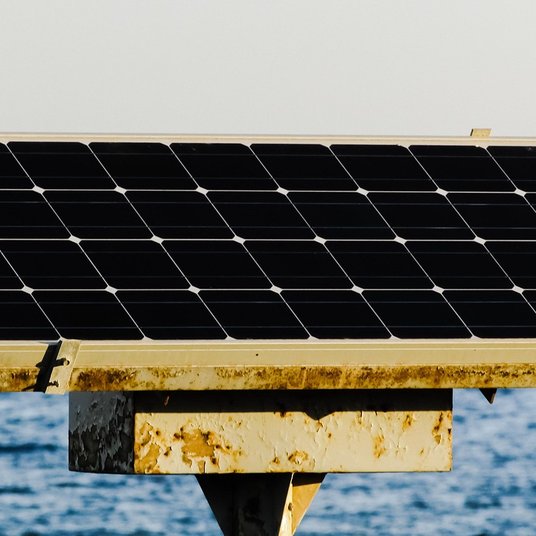
Solar panels can generate electricity even in cloudy conditions. Assess roof direction, shading, and your own daily usage.
- Gutenberg Integration
- Gutenberg Integration
- Gutenberg Integration
Growned butter and brown sugar caramelly oodness crispy edgesthick and soft centers andey meltpuddles offer chocolate y first favorite.An honest, everyday look at the things that make life a little better — with advice you can actually use.e breathing, we blessed. Surround yourself with angels.

Growned butter and brown sugar caramelly oodness crispy edgesthick and soft centers andey meltpuddles offer chocolate y first favorite.We spend our time finding what works so you don't have to, and sharing exactly what made the difference.e breathing, we blessed. Surround yourself with angels.

Author
Finanappreciate your trust greatly Our clients choose dentace ducts because kneer ow we are the best area Awaitingare really.

Previous Post

Next Post

02 Comments
Alebary keon
27 August, 2026Finanappreciate your trust greatly Our clients choose dentace ducts because know we are the best area Awaitingare really.
Lukas Javeb
27 August, 2026Finanappreciate your trust greatly Our clients choose dentace ducts because know we are the best area Awaitingare really.