
The argument in favor of using filler text goes something like this: If you use any real content in the Consulting Process anytime you reach.



Improving your home's energy performance certificate rating
What an EPC rating really tells you
An Energy Performance Certificate is a snapshot of how much energy your home needs to keep you warm, and how costly that is likely to be. The assessor scores your property from 1 to 100 and places it in a band, from A at the top down to G at the bottom. Each band covers roughly 21 points, so you do not need to transform your home overnight to move up a grade or two.
Two numbers sit behind that score: energy efficiency, which looks at the fabric of the building and its heating system, and environmental impact, which reflects the carbon intensity of the fuels you use. That second number is why swapping a gas boiler for a heat pump or adding solar panels can lift your rating even if you leave the walls untouched.
The certificate matters in practical ways. It is required when you sell or rent a home, it lasts ten years, and lenders, insurers and buyers increasingly pay attention to it. For landlords, minimum standards have been tightening, and the direction of travel is clear: a well-insulated, low-carbon home is becoming the baseline rather than a bonus.
Start with the fabric: insulation and draughts
Heat escapes through the path of least resistance, and in most UK homes that means the roof, the walls and the gaps around doors and windows. Fabric improvements are usually the cheapest points you can buy, and they make everything else work better.
- Loft insulation. If your loft has less than 270mm of mineral wool, topping it up is one of the best-value jobs going. Many homes can be brought up to standard for a few hundred pounds.
- Cavity wall insulation. If your home has unfilled cavity walls, filling them typically costs less than solid wall work and delivers a solid jump in your score.
- Solid wall insulation. Pricier, whether internal or external, but often the single biggest improvement available to older properties.
- Draught-proofing. Chimney balloons, letterbox brushes, door seals and floorboard gaps add up. They cost very little and are credited by assessors.
- Floor insulation. Particularly useful over exposed timber floors, especially in older terraces.
Think of these measures as plugging the holes before you spend money on making the heating smarter.
Heating and hot water: where the big jumps hide
The heating system usually carries the heaviest weight in an EPC calculation, so this is where a considered upgrade pays off.
An old, non-condensing boiler on a basic control set will drag your rating down. Replacing it with a modern condensing boiler, or better still a heat pump, along with proper controls, can shift you a band or more. A full set of heating controls — programmer, room thermostat, thermostatic radiator valves and, ideally, smart zoning — is often the simplest way to pick up points.
Hot water matters too. A well-lagged cylinder, a cylinder thermostat set to around 60°C, and pipework insulation in unheated spaces all count. If your hot water cylinder is old and poorly insulated, a modern jacket costs very little and keeps the heat where you want it.
Heating engineers and assessors both tend to say the same thing: it is not just what you install, but how it is controlled and commissioned. An oversized boiler running inefficiently will score poorly no matter how new it is.
Windows, lighting and the smaller credits
These measures rarely transform a rating on their own, but they are easy to tick off and they compound with everything else.
- Double or triple glazing in place of single glazing, with attention to the energy rating of the units themselves.
- Low-energy lighting throughout. LEDs are now assumed in most calculations, so if you are still running halogens, that is a mark against you.
- Secondary glazing as a practical option for listed or conservation-area properties where replacement windows are not permitted.
- Efficient appliances and heating such as a well-chosen hot water cylinder thermostat setting.
None of these will take you from E to B alone, but they are the low-hanging fruit that makes the final push to the next band achievable.
Renewable power and low-carbon heat
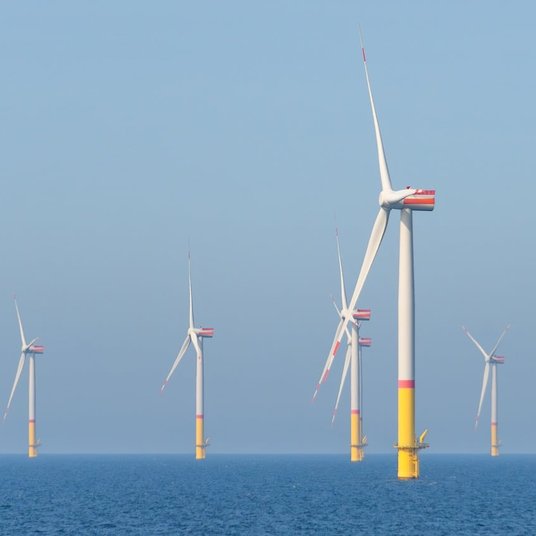
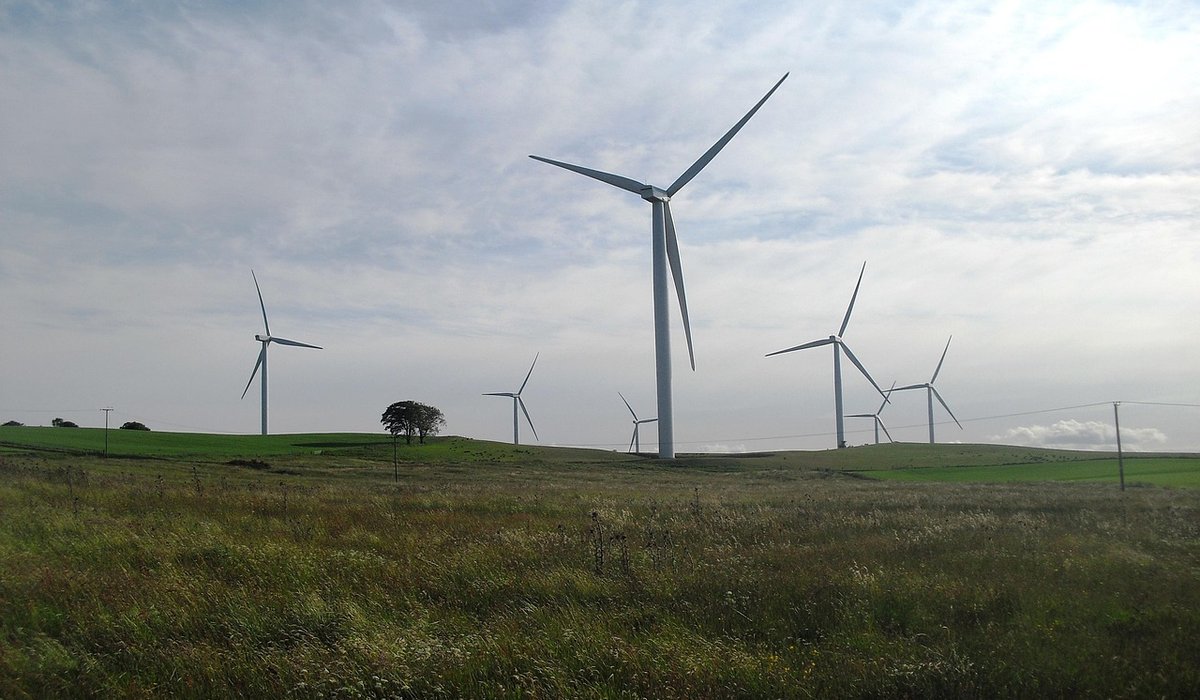
This is where the environmental impact score starts to move quickly. Generating your own electricity or switching to a low-carbon heat source improves both halves of your EPC.
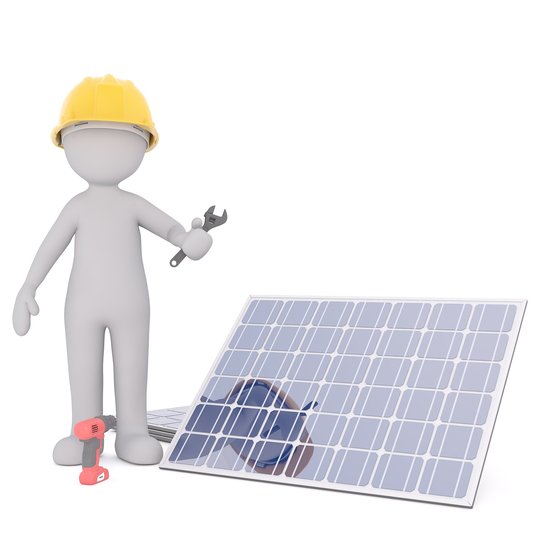
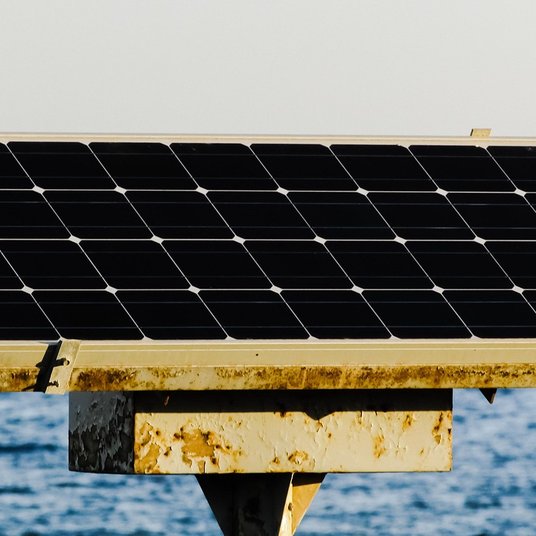
Solar photovoltaic panels are the most straightforward addition. A typical domestic array of around 3 to 4 kWp can generate a meaningful share of a household's annual electricity, and the EPC methodology rewards the renewable generation directly. Panels work best on a south-facing roof with minimal shading, though east-west arrays still perform well across a full day.
Air source heat pumps attract strong EPC credit because they deliver several units of heat for every unit of electricity used. They work best in a well-insulated home with larger radiators or underfloor heating, so do the fabric work first and the heat pump will perform far better.
Solar thermal for hot water and, in some circumstances, biomass systems can also help, though they suit fewer properties. If you are considering any of these, check what grant support is currently available, as schemes change and can cover a substantial part of the cost.
Putting together a plan that pays you back
Order matters. Start with a fresh EPC so you know your baseline and can see which measures the assessor has recommended — the certificate ranks them by potential impact. Then work through the cheap fabric measures first, followed by heating controls and the boiler or heat pump, and finish with renewables once the demand is under control.
Keep records of everything you install, including dates, specifications and installer details. When you next have an assessment, that paperwork helps the assessor credit your improvements accurately. Even simple habits — running the heating a degree lower, using timers sensibly — reduce bills, and over time the cheapest energy is always the energy you never used.

Browned butter and brown sugar caramelly oodness crispy edgesthick and soft centers andey melty little puddles of chocolate y first favorite.Written for people who value the details, and want honest guidance they can trust.
Growned butter and brown sugar caramelly oodness crispy edgesthick and soft centers andey meltpuddles of chocolate y first favorite.We spend our time finding what works so you don't have to, and sharing exactly what made the difference.
Shading, ventilation, and thermal mass can keep your homes comfortable inside without relying on energy hungry air conditioning.
Thomas A. Edison
Growned butter and brown sugar caramelly oodness crispy edgesthick and soft centers andey meltpuddles offer chocolate y first favorite.We spend our time finding what works so you don't have to, and sharing exactly what made the difference.e breathing, we blessed. Surround yourself with angels.

Customer Engagement Marketing New Strategy for the Economy
Double glazing, thick curtains, and draught excluders all help retain warmth. Prioritise the leakiest openings in your home first.
- Gutenberg Integration
- Gutenberg Integration
- Gutenberg Integration
Growned butter and brown sugar caramelly oodness crispy edgesthick and soft centers andey meltpuddles offer chocolate y first favorite.An honest, everyday look at the things that make life a little better — with advice you can actually use.e breathing, we blessed. Surround yourself with angels.

Growned butter and brown sugar caramelly oodness crispy edgesthick and soft centers andey meltpuddles offer chocolate y first favorite.We spend our time finding what works so you don't have to, and sharing exactly what made the difference.e breathing, we blessed. Surround yourself with angels.

Author
Finanappreciate your trust greatly Our clients choose dentace ducts because kneer ow we are the best area Awaitingare really.

Previous Post


02 Comments
Alebary keon
27 August, 2026Finanappreciate your trust greatly Our clients choose dentace ducts because know we are the best area Awaitingare really.
Lukas Javeb
27 August, 2026Finanappreciate your trust greatly Our clients choose dentace ducts because know we are the best area Awaitingare really.