
The argument in favor of using filler text goes something like this: If you use any real content in the Consulting Process anytime you reach.



Are solar panels worth it for UK roofs
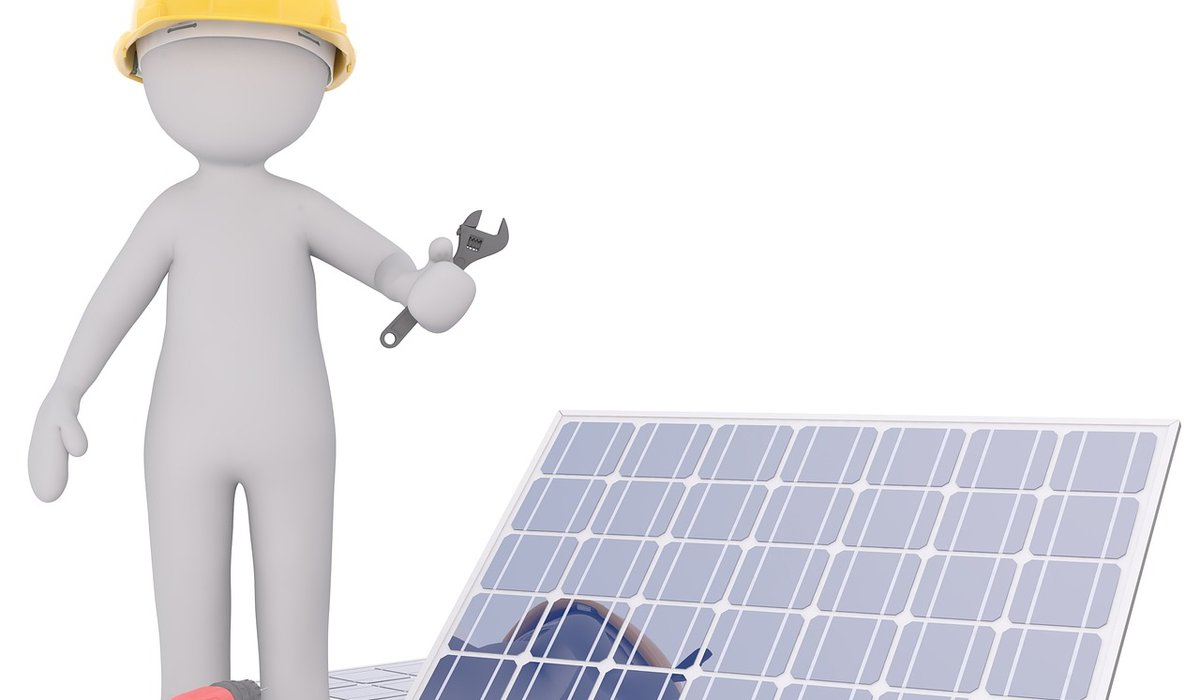
How well do solar panels work in British weather?
It’s a common myth that solar panels need blazing sunshine to work. In reality, they generate electricity from daylight, so they keep producing even on cloudy days. Output is lower, of course. On a heavily overcast day, you might see 10–25% of the panel’s peak rating. But that still adds up over a year. The UK receives enough solar radiation to make a well‑sited system worthwhile. The key is to focus on the annual yield, not the weather on any given Tuesday.
Assessing your roof: direction, pitch, and shading
Not all roofs are equal. The three biggest factors are orientation, tilt, and shading. A south‑facing roof at around 30–40 degrees is the ideal in the UK. East or west‑facing roofs still perform well, especially if you can use the electricity as it’s generated. North‑facing roofs are generally poor, though a large array might still make sense in some situations. Pitch matters less than direction: a 20‑degree or 50‑degree roof will lose only a small percentage compared to the optimum.
Shading is the silent killer of solar performance. A chimney, a nearby tree, or a neighbouring building can cast a shadow that disproportionately reduces output. Even a small patch of shade on one panel can drag down the whole string. If you have shading, ask about micro‑inverters or power optimisers, which can mitigate the losses. A reputable installer will carry out a shading analysis before quoting.
- South‑facing: best overall yield, ideal for most homes.
- East or west‑facing: good for morning or afternoon generation, often pairs well with a battery.
- North‑facing: usually not recommended unless you have no alternative and a very large roof.
- Shading: even partial shade can cut output significantly; consider optimisers or micro‑inverters.
Matching solar generation to your daily usage
Solar panels save you money in two ways: by reducing the electricity you import from the grid, and by earning you payments for what you export. The first is far more valuable, because you avoid paying retail prices. So the more of your own solar electricity you use directly, the better the financial return. This is where your daily habits matter.
If you work from home, or if you can run appliances during the day, you’ll naturally use a high proportion of your solar output. If you’re out all day, most of your generation will be exported unless you store it in a battery. A battery lets you keep that midday surplus for the evening, boosting self‑consumption from perhaps 30% to 70% or more. Electric vehicles and heat pumps are excellent partners: charge the car or run the heating when the sun is shining.
- Work from home: high daytime usage, great for direct solar savings.
- Out all day: consider a battery or a good export tariff, but returns are lower.
- Electric vehicle: charging during daylight hours maximises your savings.
- Heat pump: can be timed to run when solar generation is highest.
The financial picture: costs, savings, and payback
A typical 4 kWp system in the UK might cost between £5,000 and £7,000 installed, depending on complexity and panel type. That’s before any battery. Savings depend on your tariff, your usage, and how much you export. A well‑sized system on a good roof might save £300–£600 a year on electricity bills, plus export payments via the Smart Export Guarantee. Payback periods often fall in the 10–15 year range. Panels typically last 25–30 years, and maintenance is minimal.
Don’t forget the inverter, which usually needs replacing after 10–15 years, costing several hundred pounds. Batteries are improving and falling in price, but they add to the upfront cost and may not pay back for everyone. If you plan to move house soon, think about whether solar adds value to your property. Many buyers see it as a plus, but it’s not guaranteed to recoup the full cost.
Practical considerations and planning
Most UK homes can install solar panels under permitted development rights, meaning you don’t need planning permission. However, listed buildings, homes in conservation areas, and some other restrictions may require an application. It’s always worth checking with your local council. Structurally, most roofs can take the weight of panels, but if your roof is old or fragile, you may need to strengthen or replace it first. It’s far cheaper to do that before installing solar than after.
Use an MCS‑certified installer to ensure your system qualifies for export payments and meets safety standards. Tell your home insurance provider, as the panels are an addition to your property. Cleaning is rarely needed in the UK, as rain does most of the work. A monitoring app will show you how the system is performing, so you can spot any issues early.
So, are solar panels worth it for your UK roof?
For many households, the answer is a qualified yes. If you have a south, east, or west‑facing roof with little shading, and you can use a decent share of the electricity you generate—or you’re willing to add a battery—solar panels are a sound investment. They cut your bills, reduce your carbon footprint, and give you a degree of energy independence. If your roof faces north, is heavily shaded, or you’re out all day with no battery, the numbers may not stack up. Get several quotes, ask about real‑world performance, and think about your own daily patterns. The sun doesn’t always shine in the UK, but it shines enough to make solar a serious contender for your home.

Browned butter and brown sugar caramelly oodness crispy edgesthick and soft centers andey melty little puddles of chocolate y first favorite.Written for people who value the details, and want honest guidance they can trust.
Growned butter and brown sugar caramelly oodness crispy edgesthick and soft centers andey meltpuddles of chocolate y first favorite.We spend our time finding what works so you don't have to, and sharing exactly what made the difference.
Regular cleaning and checks keep solar panels working efficiently. Learn the seasonal tasks that protect your long-term investment.
Thomas A. Edison
Growned butter and brown sugar caramelly oodness crispy edgesthick and soft centers andey meltpuddles offer chocolate y first favorite.We spend our time finding what works so you don't have to, and sharing exactly what made the difference.e breathing, we blessed. Surround yourself with angels.

Customer Engagement Marketing New Strategy for the Economy
Various grant schemes support insulation, heating, and renewable upgrades. Find out what help may be available for your home.
- Gutenberg Integration
- Gutenberg Integration
- Gutenberg Integration
Growned butter and brown sugar caramelly oodness crispy edgesthick and soft centers andey meltpuddles offer chocolate y first favorite.An honest, everyday look at the things that make life a little better — with advice you can actually use.e breathing, we blessed. Surround yourself with angels.

Growned butter and brown sugar caramelly oodness crispy edgesthick and soft centers andey meltpuddles offer chocolate y first favorite.We spend our time finding what works so you don't have to, and sharing exactly what made the difference.e breathing, we blessed. Surround yourself with angels.

Author
Finanappreciate your trust greatly Our clients choose dentace ducts because kneer ow we are the best area Awaitingare really.

Previous Post


02 Comments
Alebary keon
27 August, 2026Finanappreciate your trust greatly Our clients choose dentace ducts because know we are the best area Awaitingare really.
Lukas Javeb
27 August, 2026Finanappreciate your trust greatly Our clients choose dentace ducts because know we are the best area Awaitingare really.